


L'ABRI
Documentaire (catalogue)
AUTEUR – DIRECTEUR : Marie-Elise Beyne
FORMAT : 74’
PRODUCTION : Sharing Productions
ÉQUIPE :
Image : Marie-Elise Beyne
Cheffe monteuse : Lucie Jego
Ingénieur-son – mixage : Benjamin Laurent
Étalonneur : Laurent Fénart
Musique originale : Emmanuel Joubert
PARTENAIRES :
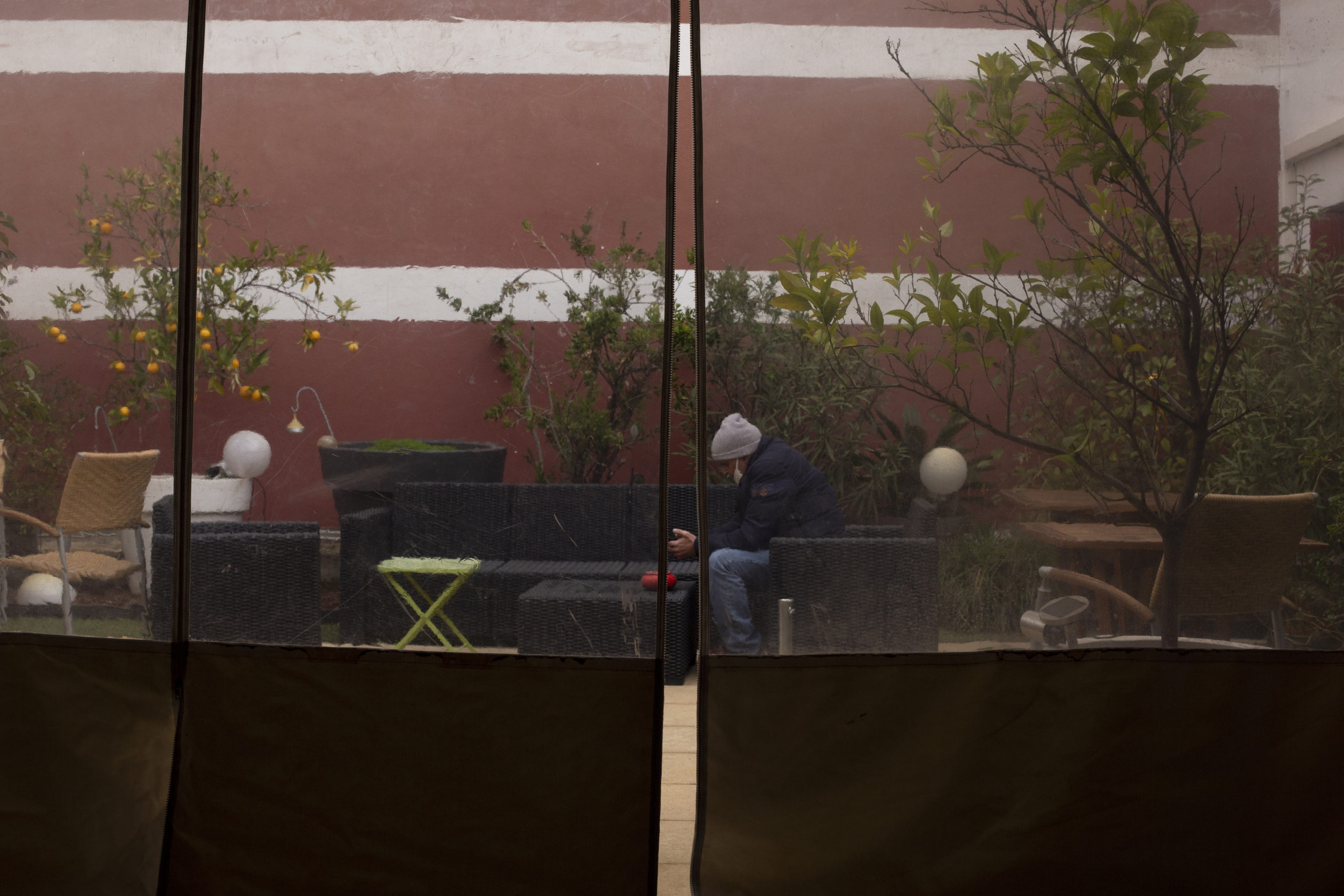
Farida dirige un hôtel trois étoiles à Nîmes. Fin 2020, elle a accueilli des hôtes inhabituels. Des sans-abri, des migrants et des femmes victimes de violences y ont trouvé refuge pendant la crise sanitaire.
Au fil des confinements successifs, l’hôtel est devenu une micro-société dans laquelle chacun a dû apprendre à vivre avec les autres, indépendamment de son histoire et de ses différences.
Entre les interventions des travailleurs sociaux, l’entraide et l’attente, une image de l’hébergement d’urgence a commencé à se dessiner.
MARIE-ELISE BEYNE
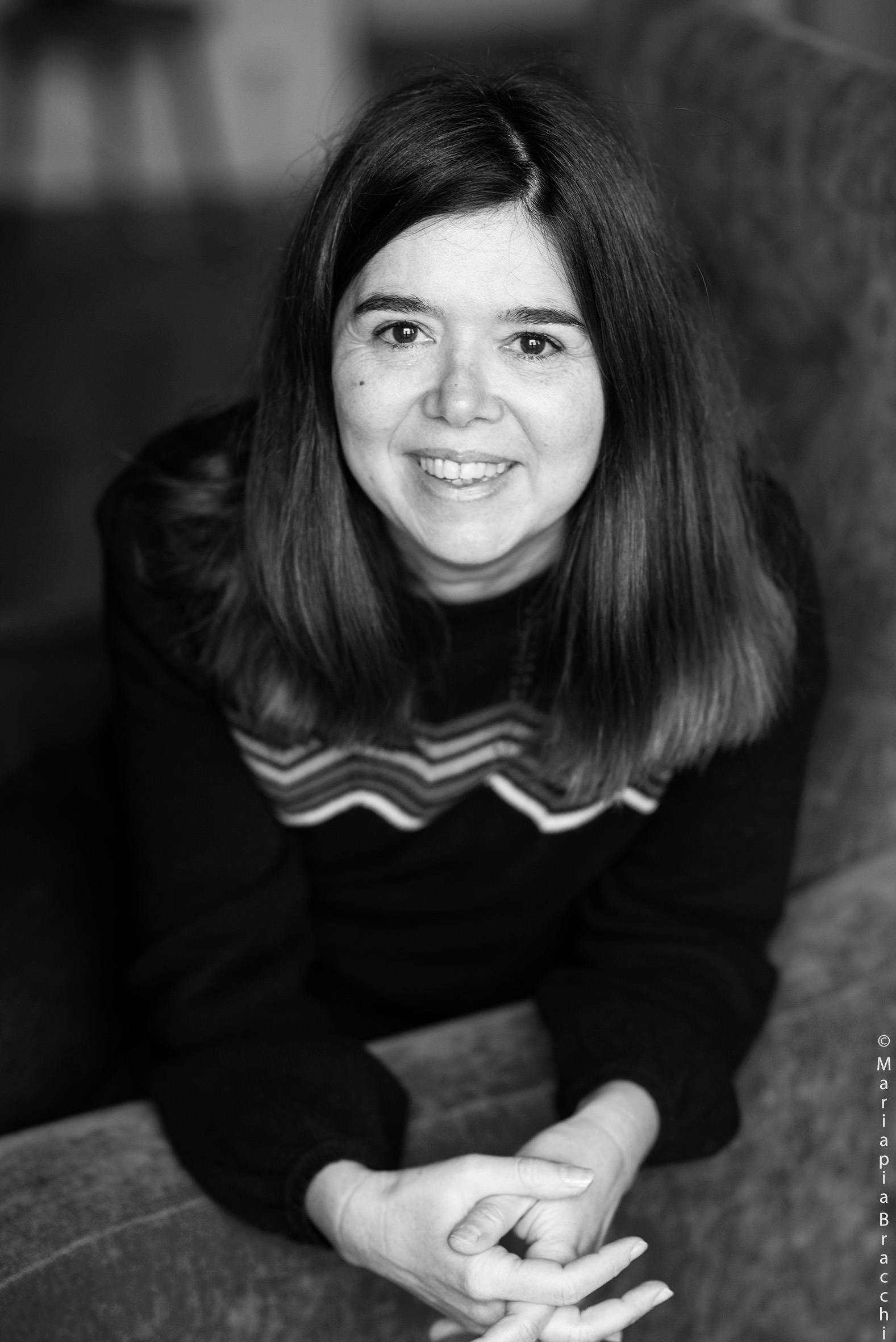
Marie-Elise Beyne a passé une partie de son enfance en Nouvelle Calédonie puis son adolescence dans la ville nouvelle de Cergy alors en construction. Elle y fréquente le centre commercial dit « Des trois fontaines » et les zones industrielles où se trouvent les boites de nuit où elle adore aller danser. Elle y développe sans doute son goût pour les paysages ordinaires.
De Saint Charles (faculté d’Arts plastiques dépendante de Paris 1), en plus du cursus traditionnel qui lui permet d’accéder à l’histoire de l’art, elle garde le souvenir de sa rencontre avec le réalisateur Joseph Morder qui apprenait aux étudiants à « bricoler » des films en super 8, son matériau de prédilection.
Il a sans doute influencé sa façon de réaliser ses premiers courts-métrages de fiction.
Après des stages puis de l’assistanat à la réalisation sur des longs métrages, des téléfilms et des émissions de télévision, Marie-Elise commence à travailler sur des documentaires.
Le producteur Jacques Kirsner lui confie alors la réalisation de deux films : l’un pour France 5 traitant de l’Histoire de la diplomatie française et plus précisément de la manière dont le fonctionnement du Quai d’Orsay a évolué au cours des siècles, l’autre pour un Thema d’Arte qui se penche sur les causes sociales du surendettement.
A cette époque, des réalisateurs comme Guy Girard, Eric Pittard ou Xavier Villetard lui communiquent leur goût des récits en musique et le plaisir de travailler la lumière. Leurs manières singulières d’aborder l’Histoire ou de réaliser des portraits de musiciens, d’écrivains, lui permettent de découvrir le documentaire de création. Elle poursuit cet enseignement en résidence d’écriture à l’école documentaire de Lussas où elle développe son film Revoir Cergy.
C’est avec ce film sur la ville où elle a grandi qu’elle commence son travail sur le paysage urbain ou péri-urbain. Elle aime filmer l’architecture, la manière dont un lieu est traversé par les personnes qui y habitent, les traces de ce qui s’y est passé.